Introduction — Why This Matters
High blood pressure is a common health concern, and chronic stress often makes it worse. Many people are looking for safe, non-invasive ways to manage both, which is why a massage chair for high blood pressure has gained attention.
In this article, we’ll explore how massage chairs may help lower blood pressure and reduce stress. You’ll learn about the science behind it, research findings, safe ways to use a massage chair, common mistakes to avoid, and tips for choosing the right chair.
Clinical studies suggest that massage therapy can produce modest reductions in both systolic and diastolic blood pressure. Additionally, massage chairs for high blood pressure have been associated with reduced stress levels and lower cortisol in some trials, offering a convenient home-based option for relaxation and health management.

How Massage (and Massage Chairs) Might Affect Blood Pressure — Simple Science
The Stress → Blood Pressure Link
Stress triggers the body’s “fight or flight” response, increasing heart rate and cortisol levels. Over time, this can raise blood pressure. A massage chair for high blood pressure encourages parasympathetic activation — the body’s relaxation mode — which can help lower stress hormones and support healthier blood pressure.
Mechanical Effects
Massage chairs stimulate muscles and circulation through kneading, rolling, and compression. This can promote local vasodilation, improve blood flow, and release tension, all of which may contribute to temporary reductions in blood pressure and a feeling of relaxation.
How a Massage Chair Simulates Human Massage
Modern massage chairs for high blood pressure mimic hand techniques like rolling, kneading, tapping, and gentle compression. Many also include heat therapy, which further relaxes muscles and enhances circulation. Together, these actions help replicate the calming effects of professional massage in a convenient, home-friendly format.

What the Research Says — Concise Evidence Review
Meta-Analyses of Massage and Blood Pressure
Several studies and meta-analyses show that regular massage can produce small but meaningful reductions in both systolic and diastolic blood pressure. While the effects vary, these findings support the potential of using a massage chair for high blood pressure as part of a stress-management routine.
Studies on Massage Chairs & Stress Outcomes
Research specifically on massage chairs indicates improvements in stress markers such as cortisol, perceived stress, and sleep quality. Using a stress relief massage chair at home may help people feel more relaxed, which indirectly supports better blood pressure control.
Limitations & Mixed Findings
While results are encouraging, studies often involve small sample sizes, short follow-up periods, and different massage protocols. This means that while a massage chair for high blood pressure can help, individual results may vary, and it should complement — not replace — other medical care and lifestyle interventions.

Who Should Be Cautious — Contraindications & When to Check with a Doctor
Using a massage chair for high blood pressure can be safe for many people, but certain conditions require extra caution. Before starting, it’s important to know the red flags and consult your healthcare provider if any apply.
Red Flags
- Uncontrolled high blood pressure or sudden spikes in BP
- Blood clotting disorders or are on blood-thinning medications
- Recent surgery or injury
- Severe cardiovascular disease (heart failure, arrhythmia)
- Implanted pacemaker or defibrillator
- Pregnancy complications
- Active infection or fever
- Deep vein thrombosis (DVT) or history of blood clots
How to Discuss Massage Chair Use with Your Healthcare Provider
- Share your blood pressure readings and medication list
- Explain that you want to use a massage chair for high blood pressure
- Ask which programs or intensity levels are safe
- Discuss any symptoms to watch for, such as dizziness, shortness of breath, or chest pain
✅ Practical Safety Checklist
- Blood pressure is under control
- Medications have been taken as prescribed
- Symptoms such as dizziness, chest pain, or palpitations are absent
- Emergency plan ready: know how to stop the chair and sit upright if you feel unwell

Step-by-Step Safe-Use Guide for People with High Blood Pressure
Step 0 — Before You Start

- Consult your doctor if your blood pressure is uncontrolled.
- Have a home BP monitor ready to track your readings.
Step 1 — Measure Baseline

- Sit quietly for 5 minutes.
- Take two BP readings and record the average.
- This gives you a baseline to compare after your massage session.
Step 2 — Choose a Gentle Program

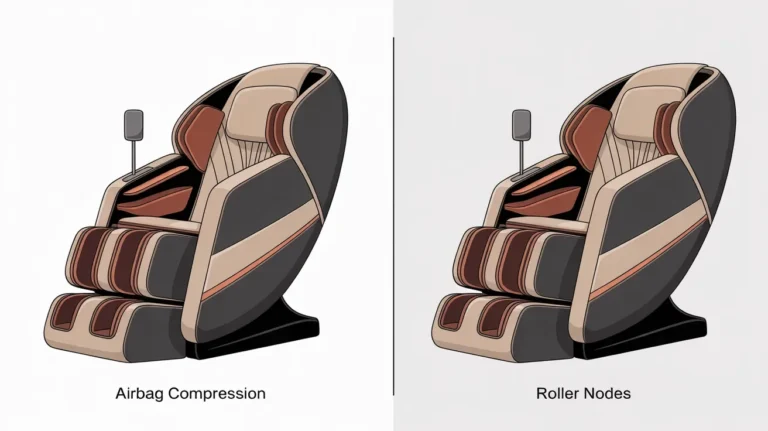
- Select relaxation-focused modes such as air compression, light kneading, or rolling.
- Start with low intensity and 10–15 minutes per session.
- Avoid deep-tissue or high-intensity programs at first.
Step 3 — Positioning
- Recline upright or slightly tilted to avoid extreme head or neck flexion.
- Support your feet on the floor or footrest.
- Ensure your posture feels comfortable and natural.
Step 4 — During the Session

- Pay attention to how your body feels.
- Stop immediately if you experience dizziness, fainting, chest pain, or unusual shortness of breath.
- Adjust intensity or take a break if needed.
Step 5 — Immediately After

- Rest for 5–10 minutes after the session before standing up.
- Measure BP again and record the results to monitor changes.
Step 6 — Track & Adapt

- Keep a simple log: date, program, duration, pre/post BP, and notes on how you felt.
- Try 3–4 sessions per week initially.
- Adjust program intensity, duration, and frequency based on your comfort and doctor’s advice.
When to Stop and Call Your Clinician: If BP rises above your normal range or you experience new symptoms, prolonged dizziness, chest pain, palpitations, or shortness of breath.
Practical Tips to Maximize Stress-Reduction and Safety

- Use a consistent time — Try scheduling your sessions at the same time each day, such as after light physical activity or before bedtime. Consistency helps your body adapt and supports relaxation.
- Combine with breathing techniques — Pair your massage chair sessions with simple exercises like box breathing or diaphragmatic breathing. This enhances stress relief and encourages the parasympathetic response.
- Use heat cautiously — Many massage chairs have heat features that increase comfort and relaxation. However, heat can also affect circulation, so start with lower temperatures and shorter sessions.
- Avoid heavy meals, alcohol, or stimulants — Plan sessions on an empty stomach or after a light meal.
- Adjust for medications — If you take anticoagulants or blood pressure medications, stick to gentle programs and shorter sessions. Always inform your clinician.
Common Mistakes to Avoid

- Jumping straight to full-power, long sessions — Start low and slow.
- Using the chair with uncontrolled BP or skipping the doctor consultation — Always consult first.
- Ignoring warning signs — Stop if dizzy, lightheaded, etc.
- Expecting long-term blood pressure cure — It’s an adjunct tool, not a replacement for medications, diet, exercise, or lifestyle changes.
How to Choose a Massage Chair if You Have High Blood Pressure & Stress

Key Features to Look For
- Gentle relaxation programs + customizable intensity — Choose a chair with programs designed for relaxation rather than deep tissue only.
- Air compression vs. deep tissue options — Air compression gently squeezes and releases muscles, promoting circulation without over-stimulating.
- Heat with adjustable temperature — Start low and increase gradually.
- Recline / wall-hugger design — Allows safe reclining without extreme postures.
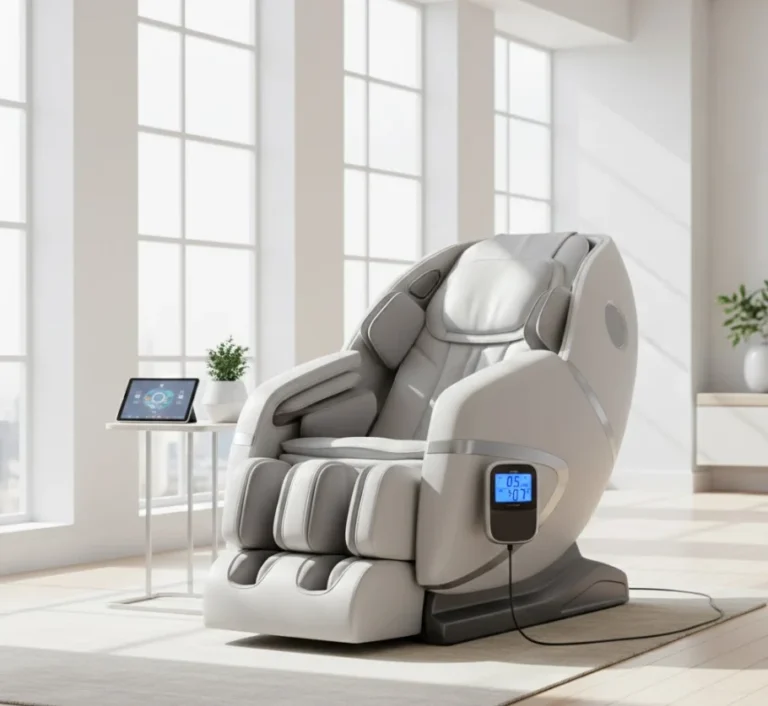
- Emergency stop & low electromagnetic interference — Quick-stop button; low EMI for those with implants.
- Built-in timer + short session presets — 10–15 minute presets are ideal.
Budget Tips
Prioritize safety and gentle programs over luxury features. Mid-range chairs with adjustable intensity, heat, and air compression offer the best balance.
Questions to Ask the Seller and Warranty/Return Policy
- Does the chair have a gentle mode suitable for high blood pressure?
- Can intensity and heat be customized?
- What is the emergency stop mechanism?
- How long is the warranty, and what does it cover?
- What is the return policy?
FAQ — Common Questions About Massage Chairs for High Blood Pressure

Realistic Expectations & Concluding Advice
Using a massage chair for high blood pressure can support relaxation and stress relief, which may contribute to modest reductions in blood pressure. However, these effects are temporary and should complement other treatments, including medication, exercise, and healthy lifestyle changes.
📋 Action Checklist
- Consult your healthcare provider before starting.
- Measure baseline blood pressure and track readings.
- Try short, gentle sessions (10–15 minutes) on a low-intensity program.
- Record results and monitor trends over 2–4 weeks.