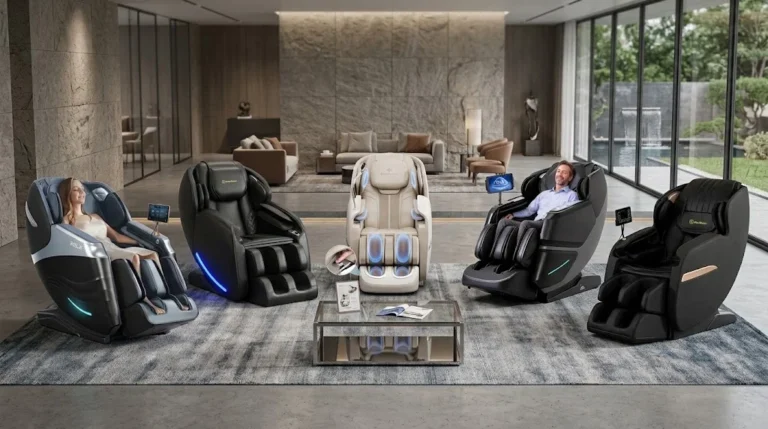
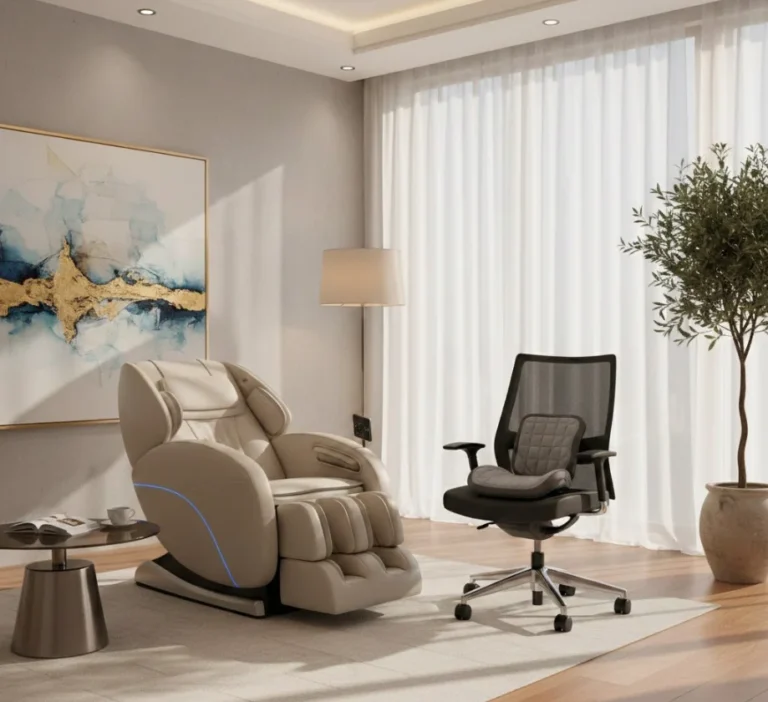
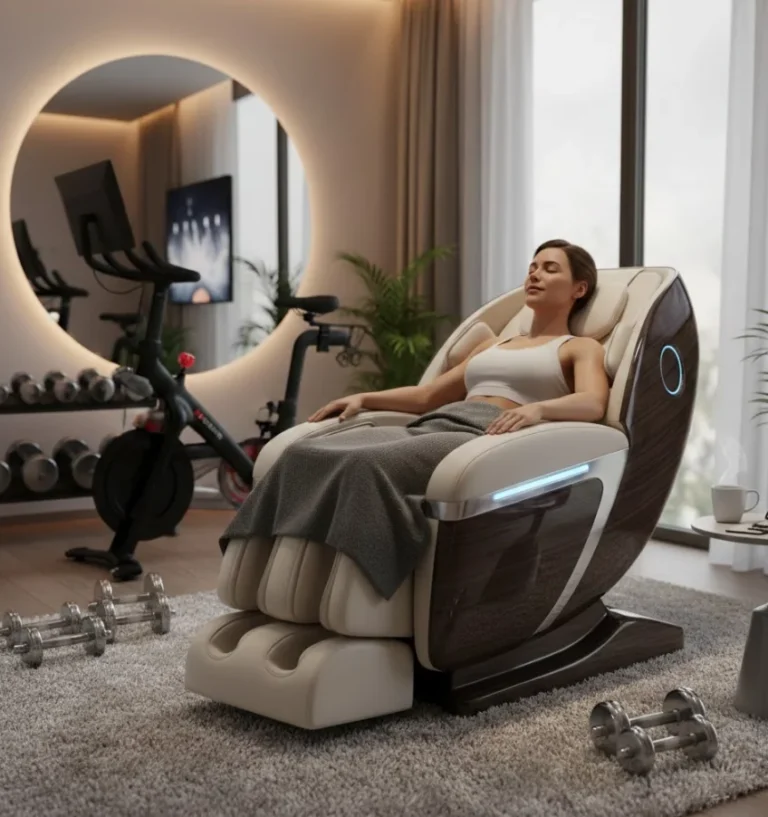
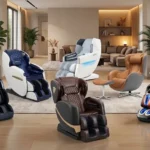
Quick Summary — Our Top Picks
If you’re searching for the best massage chair for scoliosis, choosing the right model can make a major difference in daily comfort, muscle balance, and posture support. While no chair can cure spinal curvature, the right features such as SL-track systems, zero gravity recline, and body scanning can help reduce tension and promote healthier alignment.
Best Overall — EASPEARL R8089 Pro
A strong all-around choice thanks to its 4D rollers, extended SL-track, intelligent body scanning, and zero-gravity positions that help decompress the spine. Ideal for users who want advanced posture-support features without stepping into ultra-premium pricing.
Best Value / Budget — KTENTITO G6
Offers excellent functionality for the price, including Thai stretch, lumbar heating, and multiple massage techniques. A smart option for buyers who want a reliable massage chair for scoliosis without overspending.
Best Premium Feature Set — HealthRelife 4D (or Armali)
Designed for deeper stretching and near-flat reclining, making it especially appealing for people focused on spinal alignment and flexibility. Great for shoppers prioritizing advanced therapy-style features.
Why This Guide Matters
Understanding Scoliosis and Posture Challenges
Living with scoliosis often means dealing with uneven muscle tension, stiffness, and occasional back discomfort. Because the spine curves abnormally, surrounding muscles frequently work harder to stabilize the body — which can lead to fatigue and poor posture over time.
A high-quality massage chair for scoliosis can help by:
- Relaxing tight muscles that pull the spine out of balance
- Improving circulation to fatigued areas
- Encouraging a more neutral seated position
- Providing gentle decompression through zero-gravity recline
- Supporting the natural curve of the back with ergonomic tracks
While massage chairs are not medical treatments, many users find they play a valuable role in everyday pain management and posture awareness.
Who This Guide Is For
This guide is designed to help you confidently choose the right chair if you are:
- Managing mild to moderate scoliosis symptoms
- Trying to improve sitting posture at home
- Experiencing chronic back tension
- Recovering from long workdays at a desk
- Supporting a family member with spinal discomfort
- Looking for a long-term wellness investment
Whether your priority is deep muscle relief, gentle stretching, or better spinal alignment, the right chair can become an important part of your home health routine.
Important Medical Note
It’s essential to understand that massage chairs do not fix scoliosis or permanently correct posture. Structural spinal conditions require evaluation by qualified healthcare professionals.
However, many doctors and physical therapists agree that muscle relaxation, improved circulation, and reduced pressure on the spine can support overall comfort.
Before purchasing a massage chair for scoliosis, consider speaking with a healthcare provider especially if you have severe curvature, recent surgery, or chronic pain conditions.
How Massage Chairs Can Help Posture (Evidence & Limits)
Choosing the right massage chair for scoliosis starts with understanding what these chairs can realistically do for your spine and where their benefits stop. Modern massage chairs are engineered with technologies that support muscle balance and alignment, but they should always be viewed as a wellness tool rather than a medical treatment.

What Massage Chairs Do for Spinal Support
A well-designed massage chair for scoliosis focuses primarily on muscular relief and positional support, two factors that heavily influence posture.
1. Mechanical Decompression
Zero-gravity recline positions your legs slightly above heart level, distributing body weight evenly across the chair. This reduces compressive force on the spine and allows back muscles to relax.
Why it matters:
When muscles loosen, the spine often settles into a more natural position, which can temporarily improve posture.
2. SL-Track Alignment
SL-tracks follow the natural S-curve of the spine and extend into the glutes and thighs. This continuous support prevents gaps between your body and the chair, a key factor for maintaining neutral alignment.
Posture advantage:
Consistent contact encourages symmetrical muscle relaxation instead of targeting only the upper back.
3. Heat Therapy
Lumbar heating gently increases blood flow, helping stiff muscles soften faster during a massage session.
Result:
Reduced tightness often makes it easier to sit or stand upright afterward.
4. Air Compression Systems
Airbags stabilize the hips and shoulders, two areas that heavily influence spinal positioning.
Hidden benefit:
Better pelvic stability can reduce compensatory slouching patterns.
5. Stretch Programs
Thai or yoga stretch modes carefully pull the shoulders and hips in opposite directions, mimicking traction-like effects.
Why many posture specialists like this feature:
It helps counteract the shortened muscles caused by long hours of sitting.
What Massage Chairs Cannot Do

It’s important to keep expectations realistic when buying a massage chair for scoliosis.
Massage chairs cannot:
- Straighten a structurally curved spine
- Reverse diagnosed scoliosis
- Replace physical therapy
- Act as a medical device
- Permanently correct posture
Scoliosis is a structural condition involving the shape of the spine itself. No consumer chair can remodel bone or fully realign vertebrae.
What they can do is support the muscular system surrounding the spine which often plays a major role in daily discomfort.
Think of a massage chair as part of a broader posture strategy that may include:
- Strength training
- Mobility work
- Ergonomic seating
- Physical therapy
- Professional guidance
When combined with healthy movement habits, the right chair can become a powerful recovery tool.
Best Features for Posture Support

Not every massage chair is built with spinal alignment in mind. If you’re searching for the best chair for spinal alignment, prioritize these features:
✔ Long SL-Track
Look for tracks around 48—53 inches so the rollers travel from neck to thighs. Longer tracks provide more consistent spinal contact.
✔ Body Scanning Technology
Automatically maps shoulder height and spinal curvature to position rollers accurately.
Why this matters:
Poor roller placement can worsen muscle imbalance.
✔ Adjustable Intensity
People with scoliosis often have sensitive areas alongside tight ones. Being able to lower pressure prevents irritation.
✔ Multiple Zero-Gravity Angles
More recline options allow you to find the position where your spine feels most neutral.
✔ Lumbar or Core Heating
Especially helpful for stiffness concentrated in the lower back.
✔ Stretch / Yoga Programs
These are among the most valuable features for posture because they address shortened muscles a common contributor to slouching.
✔ Roller Width Adjustment
Supports different body types and prevents excessive pressure near the spine.
Pro Tip:
If posture improvement is your priority, avoid basic 2D chairs. A 3D or 4D massage chair for scoliosis typically provides the depth control needed for safe, customized relief.
Buying Factors / Selection Criteria (Detailed Checklist)
Before investing in a massage chair for scoliosis, it’s worth evaluating several core factors. The goal is not just comfort but spinal-friendly design that promotes long-term usability.

Spine & Posture-Specific Criteria
These features should sit at the top of your checklist.
SL vs L Track
- SL-track: Better for posture because it maintains continuous spinal contact.
- L-track: Great for glutes but sometimes less precise in upper-back contouring.
👉 For scoliosis support, SL-track usually wins.
Track Length
Longer tracks help prevent unsupported gaps behind the lower back, a common cause of slouching.
Lumbar Heating
Encourages muscle elasticity, making massages more effective.
Targeted Lumbar Rollers
Some chairs provide focused lower-back pressure ideal if your curve creates tension in that region.
Adjustable Roller Width
Critical for preventing pressure directly on the spine.
Ergonomics & Fit

Even the most advanced chair won’t help posture if it doesn’t fit your body correctly.
Check:
- Recommended height range
- Seat width and depth
- Shoulder positioning accuracy
- Auto-extending footrests
- Maximum user weight
Why fit matters: A poorly sized chair forces unnatural positioning exactly what scoliosis users should avoid.
Therapy Modes That Support Alignment

When comparing models, prioritize programs designed for muscle balance rather than pure intensity.
Top modes to look for:
- 4D or advanced 3D rollers
- Thai stretch
- Yoga stretch
- Decompression-style recline
- Gentle recovery programs
Stronger is not always better; consistency is what improves comfort over time.
Comfort & Build Quality

A massage chair is a long-term purchase, so durability matters.
Look for:
- High-density foam cushioning
- Breathable or high-grade faux leather
- Smooth roller transitions
- Quiet motors
- Well-padded arm and calf areas
Comfort directly impacts how often you’ll use the chair and frequency drives results.
Safety & Medical Friendliness

The best massage chair for scoliosis should allow controlled, predictable sessions.
Important features include:
- Multiple intensity levels
- Adjustable airbag pressure
- Emergency stop button
- Gentle preset modes
- Reliable body scanning
If you’re new to massage chairs, always start on the lowest setting and increase gradually.
Practical Considerations Most Buyers Forget

These details can make or break your ownership experience:
- Warranty: Aim for at least 2—3 years
- Assembly: Some arrive fully assembled
- Room clearance: Especially important for zero-gravity recline
- Noise level: Quiet motors improve relaxation
- Controls: Touchscreens, remotes, app control, or voice commands
Convenience often determines whether your chair becomes a daily habit or an expensive decoration.
Price vs Value — What Should You Spend?
Massage chairs vary widely in price, but higher cost doesn’t always mean better posture support.
Budget Range:
Great for basic relief and occasional use. Expect fewer stretch features.
Mid-Range:
Often the sweet spot has strong alignment features without luxury pricing.
Premium:
Best for shoppers prioritizing advanced stretching, precision rollers, and long-term wellness investment.
Smart strategy:
Focus on posture-focused features first, then compare price.
A slightly higher upfront cost often delivers better spinal ergonomics which matters far more than flashy extras.
Product Comparison Table — Best Massage Chair for Scoliosis
Use this quick-glance table to compare the top contenders and identify which massage chair for scoliosis best matches your posture needs, comfort preferences, and budget expectations.

| Product | Price Bracket | Track Type & Length | Massage Mechanism | Zero Gravity | Heating | Airbags | Stretch Modes | Body Scan | Foot Rollers | Dimensions | Warranty | Quick Pros | Quick Cons |
|---|---|---|---|---|---|---|---|---|---|---|---|---|---|
| EASPEARL R8089 Pro — Smart 4D chair with deep spinal coverage | Mid—Premium | SL-Track (neck → thighs) | 4D | Yes — 3 angles | Full body (back, waist, feet) | Full-body regions | Thai stretch | Yes | Yes | 45.66″D x 29.7″W x 46.25″H | 3 Years | Advanced customization, strong posture support | Heavy, premium footprint |
| KTENTITO G6 — Feature-packed value option | Budget—Mid | 52″ SL-Track | Multi-technique (8 styles) | Yes | Lumbar + calf | Shoulders → feet | Thai yoga | Yes | Not specified | 61.02″D x 29.53″W x 45.67″H | 2 Years | Excellent value, strong stretch programs | Fewer premium mechanics |
| HealthRelife 4D — Flexible track for near-flat alignment | Premium | Flexible Track (166° recline) | 4D | Yes | Not specified | 36 airbags | Yoga-style stretch | Not specified | Yes | 35″D x 29.53″W x 40″H | 3 Years | Exceptional reclining angle, deep stretch | Less clarity on heat zones |
| Notired L183 — Balanced comfort with AI control | Mid-Range | 53″ SL-Track | Multi-technique | Yes | Waist + calves | Full-body | Thai yoga | Yes | Yes | 63.8″D x 29.5″W x 44.9″H | 2 Years | Long track improves spinal contact | Large room requirement |
| Armali 4D Chair — Long SL-track with intelligent scanning | Premium | Long SL Guide Rail | 4D | Yes — 3 angles | Core / waist / feet | 3-level system | Thai yoga | Yes | Yes | 53.5″D x 30″W x 38.1″H | Not specified | Excellent body scanning, deep decompression | Height limit may exclude taller users |
Detailed Reviews — Best Massage Chairs for Scoliosis
Product #1 — EASPEARL R8089 Pro 4D Massage Chair
Quick Specs
- Dimensions: 45.66″D x 29.7″W x 46.25″H
- Weight: 184.6 lbs
- Track: Ergonomic SL-track
- Massage System: 4D rollers with adjustable width and intensity
- Zero Gravity: 3 positions
- Footrest: Auto-extending up to 7.09″
- Warranty: 3 years
Key Features
- Intelligent body scanning adapts massage to spinal shape
- SL-track supports continuous back alignment
- App control with OTA updates for long-term usability
- Full-body heat therapy for muscle relaxation
- Thai stretch helps counter compressed posture
- Airbag compression across major muscle groups
- Bluetooth speakers for immersive sessions
- Negative ion purification enhances relaxation environment
Who It’s Best For
Users seeking a highly adjustable massage chair for scoliosis with strong posture-support technology and long-term reliability.
✔
Pros
- Advanced 4D system delivers precise pressure control
- Excellent spinal coverage for alignment support
- Smart features improve personalization
✖
Cons
- Heavy and difficult to reposition
- Higher investment than entry-level models
Verdict
Best Overall: A standout choice for buyers prioritizing spinal support, customization, and advanced recovery features.
Product #2 — KTENTITO G6 Massage Chair
Quick Specs
- Dimensions: 61.02″D x 29.53″W x 45.67″H
- Track: 52″ SL-track
- Massage Techniques: 8 styles, 12 preset modes
- Zero Gravity: Yes
- Heating: Lumbar and calves
- Warranty: 2 years
Key Features
- Thai yoga stretch enhances flexibility
- Auto shoulder detection improves roller accuracy
- Full-body air massage reduces muscle fatigue
- LED touchscreen for easy operation
- AI voice control enables hands-free adjustments
- Bluetooth speakers for relaxation
- Adjustable massage speeds and intensity
Who It’s Best For
Budget-conscious shoppers want a reliable massage chair for scoliosis with strong stretch capabilities.
✔
Pros
- Great feature-to-price ratio
- Effective stretch programs for posture
- Easy setup
✖
Cons
- Lacks true 4D depth
- Build may feel less premium
Verdict
Best Budget Pick: Ideal for buyers who want posture-friendly features without entering premium price territory.
Product #3 — HealthRelife 4D Massage Chair
Quick Specs
- Dimensions: 35″D x 29.53″W x 40″H
- Track: Flexible track with 166° recline
- Massage Mechanism: Advanced 4D
- Airbags: 36
- Warranty: 3 years
Key Features
- Flexible track allows near-flat positioning
- Thai-style stretching arches the back gently
- Multidimensional rollers mimic professional techniques
- Extensive airbag coverage improves circulation
- Multiple control methods including voice
- Designed for deeper relaxation sessions
Who It’s Best For
Buyers focused on spinal decompression and deep stretching especially helpful for tension caused by uneven posture.
✔
Pros
- One of the best reclining angles available
- Strong stretch functionality
- Excellent pressure simulation
✖
Cons
- Heating details unclear
- Less brand recognition
Verdict
Best Premium Therapy Features: A top contender for users prioritizing deep spinal relief and flexibility.
Product #4 — Notired L183 Massage Chair
Quick Specs
- Dimensions: 63.8″D x 29.5″W x 44.9″H
- Track: 53″ SL-track
- Massage Programs: 8 techniques, 12 modes
- Heating: Waist and calves
- Warranty: 2 years
Key Features
- Long SL-track improves full-back support
- AI voice control simplifies operation
- Adjustable air pressure for safer intensity
- Wireless charging and device holder
- Foot rollers enhance lower-body recovery
- Body scanning boosts massage accuracy
Who It’s Best For
Users want a balanced massage chair for scoliosis that blends comfort, technology, and alignment support.
✔
Pros
- Excellent track length
- Strong mix of tech and ergonomics
- Fully assembled
✖
Cons
- Requires significant space
- Mid-tier mechanics
Verdict
Best Mid-Range Choice: A dependable blend of spinal support and convenience features.
Product #5 — Armali 4D Massage Chair
Quick Specs
- Dimensions: 53.5″D x 30″W x 38.1″H
- Track: Long SL guide rail
- Massage System: 4D with 20 techniques
- Zero Gravity: 3 angles (up to 180° recline)
- Height Range: 145—190 cm
Key Features
- Intelligent human scanning maps shoulder width
- Thai yoga stretching decompresses hips
- Deep hand and foot massage improves circulation
- Heated zones support muscle recovery
- Touchscreen with AI voice control
- Wireless charging for convenience
Who It’s Best For
Shoppers seeking a high-tech best chair for spinal alignment with strong decompression features.
✔
Pros
- Deep customization
- Excellent recline reduces spinal pressure
- Robust massage variety
✖
Cons
- Not ideal for very tall users
- Warranty details limited
Verdict
Best for Advanced Customization: A strong premium option for personalized posture support.
Side-by-Side Posture & Spinal-Alignment Features Comparison
When choosing the best massage chair for scoliosis, understanding how specific features influence spinal comfort is far more valuable than simply comparing price or aesthetics. The chairs highlighted in this guide differ primarily in how effectively they support the natural curvature of the spine, adapt to body shape, and reduce pressure during massage sessions.
Track Length is one of the most important factors for posture support. Chairs equipped with an SL-track typically provide more continuous contact from the neck down to the glutes, helping maintain consistent alignment throughout the massage. Models with shorter tracks may still deliver relief but often miss key areas like the lower back and hips zones that frequently carry extra strain for people managing scoliosis.
Body scanning technology plays a critical role in ensuring the rollers follow your unique spinal shape. More advanced systems map shoulder height and back curvature before each session, minimizing the risk of uneven pressure. For users with asymmetrical muscle tension, this adaptability makes a noticeable difference in overall comfort.
Lumbar heat is another feature that contributes to spinal relaxation rather than direct correction. Gentle warmth encourages blood flow, loosens tight muscles surrounding the spine, and prepares the body for deeper massage techniques. This is especially helpful for users who experience stiffness after long periods of sitting.
Many high-quality options also include stretch programs, which use airbags and controlled reclining to lengthen the torso slightly. While these movements are subtle, they can promote decompression and improve flexibility, two factors that support healthier posture habits over time.
Roller adjustability determines how precisely you can tailor the massage experience. Chairs that allow depth and intensity changes are typically better suited for scoliosis users, since sensitivity can vary significantly from one side of the back to the other. Excessive pressure may cause discomfort, making customization essential.
Finally, zero gravity positioning helps redistribute body weight so the spine experiences less downward force. By elevating the legs and reclining the torso, the chair creates a sensation of weightlessness that many users find immediately relieving.
Overall Interpretation:
If spinal alignment is your top priority, focus on the chair that combines an SL-track, accurate body scanning, adjustable rollers, and multiple zero-gravity positions. These elements work together to create a more supportive and posture-friendly massage experience rather than simply delivering intensity.
Best for Scoliosis — Quick Decision Guide
Not every buyer wants to analyze every specification before making a decision. For readers seeking clarity, identifying your primary need is the fastest way to choose the right massage chair for scoliosis.
If you have a mild spinal curve, prioritize a chair that delivers balanced pressure without overly aggressive rollers. Consistency and comfort matter more than deep tissue strength.
For those dealing with muscular back pain, a model with adjustable intensity is the smarter choice. The ability to increase depth gradually allows you to target tight areas while avoiding unnecessary strain on sensitive regions.
Shoppers facing budget limitations should focus on chairs that cover the essential posture features — particularly body scanning, a long track, and at least one zero-gravity position. Premium extras are helpful but not mandatory for achieving daily relief.
Tall users benefit most from an extended track design. Without sufficient roller reach, the massage may stop at the shoulders, leaving the neck unsupported and disrupting alignment.
If you have a sensitive spine, look for chairs known for gentle programs and precise scanning. Softer massage styles often provide better long-term comfort than overly forceful techniques.
Buyers seeking maximum stretch capability should consider models that emphasize yoga-style or decompression programs. These tend to create a more therapeutic feel and are popular among posture-focused users.
Quick Recommendation:
If you want the safest all-around option for spinal comfort and alignment, choose the chair that balances adjustability, track coverage, and intelligent scanning rather than simply picking the most powerful model.
Buying & Setup Tips (How to Pick and Test at Home)
This section should reduce buyer hesitation and address common concerns about comfort, safety, and long-term usability especially important for readers with spinal conditions.
How to Test a Chair In-Store or Set Up at Home
Key Evaluation Steps:
- Check Height Compatibility: Ensure your shoulders align naturally with the roller start point. Chairs that feel too short will cause neck strain.
- Run the Body Scan Twice: Accurate scanning is critical for spinal alignment. If the scan feels off, recalibrate.
- Test Stretch Modes Carefully: Start with moderate stretch programs before trying advanced decompression features.
- Begin With Low Intensity: Gradually increase pressure to avoid muscle guarding or discomfort.
- Evaluate Noise and Smoothness: Jerky roller movement can create unnecessary spinal pressure.
Pro Tip: Sitting for at least 15 minutes quick demos rarely reveal pressure-point issues.
Safety Tips for Scoliosis Users
Position this as trust-building, medically responsible guidance.
Best Practices:
- Limit early sessions to 10—15 minutes.
- Avoid aggressive traction or intense stretch programs unless cleared by a healthcare professional.
- Prioritize chairs with adjustable intensity rather than fixed deep-tissue rollers.
- Stop immediately if you feel sharp pain, tingling, or nerve discomfort.
- Look for models with zoned massage control so you can reduce pressure on sensitive areas.
Expert Insight Angle: Emphasize that massage chairs support muscular relief and they do not correct spinal curvature.
Maintenance & Warranty Checklist
Reassure buyers about long-term investment protection.
Pre-Purchase Checklist:
- Minimum 3-year warranty recommended for mechanical components.
- Confirm in-home service availability.
- Check the return window and restocking fees.
- Verify weight capacity and motor durability.
Ongoing Maintenance Tips:
- Wipe rollers and upholstery monthly.
- Keep the chair away from humidity to protect electronics.
- Avoid exceeding recommended session durations to prevent motor wear.
- Install a surge protector to safeguard internal components.
Trust Booster: Mention that reputable brands typically offer better parts availability, a major factor for products expected to last 5—10 years.
FAQs
Can massage chairs fix posture or cure scoliosis? ⭐
No, a massage chair cannot cure scoliosis or permanently correct posture. Scoliosis is a structural spinal condition that typically requires medical evaluation and, in some cases, physical therapy or bracing. However, the best massage chair for scoliosis can support muscle relaxation, reduce tension, and encourage more comfortable positioning, which may indirectly help users maintain better posture habits.
Are zero gravity recline and SL-track good for spinal alignment?
Yes. Zero gravity positioning elevates the legs to distribute body weight more evenly, helping reduce spinal compression. An SL-track follows the natural curve of the spine from neck to glutes, allowing consistent roller contact. Together, these features make a massage chair for scoliosis more supportive and comfortable during longer sessions.
How often should someone with scoliosis use a massage chair?
Most users benefit from sessions lasting 10—20 minutes, about 3—5 times per week. Beginners should start with shorter sessions at low intensity to see how their body responds. If scoliosis symptoms are moderate or severe, it’s wise to consult a healthcare professional before increasing frequency.
Are airbags safe for spinal conditions?
Generally, yes — airbags are designed to apply rhythmic compression rather than deep pressure on the spine. They primarily target muscles in the shoulders, hips, and legs, improving circulation and reducing stiffness. For safety, choose a massage chair for scoliosis with adjustable air intensity so pressure can be tailored to comfort levels.
What features matter most for posture correction?
Look for features that promote neutral spinal positioning rather than aggressive massage strength:
Top Priority Features:
- Accurate body scanning
- Adjustable roller intensity
- SL-track design
- Zero gravity recline
- Gentle stretch programs
- Lumbar heat therapy
These elements help the chair adapt to your spinal shape while minimizing unnecessary strain.
Are massage chairs covered by insurance?
In most cases, massage chairs are considered wellness products rather than medical equipment, so they are not typically covered by insurance. However, some Flexible Spending Accounts (FSA) or Health Savings Accounts (HSA) may reimburse part of the cost if a doctor provides a letter of medical necessity. Always verify with your provider first.
How to choose between 3D and 4D rollers?
3D rollers move inward and outward to control depth, making them suitable for users who want customizable pressure. 4D rollers add variable speed and rhythm, creating a more human-like massage.
For most buyers seeking a massage chair for scoliosis, a high-quality 3D system is often sufficient especially if sensitivity is a concern. Choose 4D only if it includes precise intensity controls to avoid excessive pressure.
How do you measure for a proper massage chair fit?
Proper sizing is essential for spinal comfort.
Check These Measurements:
- User height range: Ensure your height falls comfortably within the manufacturer’s recommendation.
- Shoulder position: Rollers should begin at the top of your shoulders not your neck.
- Seat depth: Your hips should sit fully back without forcing your knees upward.
- Recline clearance: Measure room space behind the chair, especially for zero gravity models.
Conclusion & Final Recommendations
Choosing the best massage chair for scoliosis ultimately comes down to prioritizing spinal support, adjustability, and long-term comfort rather than simply chasing the most advanced technology. The right chair should help reduce muscle tension, encourage better sitting posture, and provide a balanced massage experience that adapts to your body not the other way around.
After comparing posture-focused features, stretch capability, roller precision, and overall value, the following picks stand out for different types of buyers.
Best Overall — EASPEARL R8089 Pro
The EASPEARL R8089 Pro earns the top position because it delivers the most balanced combination of spinal tracking, intelligent body scanning, and customizable roller depth. Its extended SL-track and multiple zero-gravity positions make it an excellent choice for users who want reliable daily posture support without stepping into ultra-premium pricing.
Best Budget — KTENTITO G6
The KTENTITO G6 is ideal for shoppers who want a dependable massage chair for scoliosis while staying within a reasonable budget. It focuses on the essentials of effective track coverage, lumbar warmth, and adjustable massage programs making it particularly suitable for beginners or anyone upgrading from basic massage devices.
Who should consider it:
Buyers seek strong core features, comfortable pressure levels, and long-term value without paying for advanced extras they may never use.
Best Premium / Feature-Rich — HealthRelife 4D
For those prioritizing advanced therapy-style performance, the HealthRelife 4D stands out with deeper stretch programs, highly responsive rollers, and a near-flat recline designed to promote spinal decompression. It’s built for users who view massage as part of a broader wellness routine rather than an occasional luxury.
Who should consider it:
Serious comfort seekers, chronic back-pain sufferers, and shoppers willing to invest more for enhanced adjustability and a more human-like massage experience.